

Councilman Chuck Conder Bridges Ideological Divides in a Forum for Unanimous Support of Orangecrest Warehouse Project
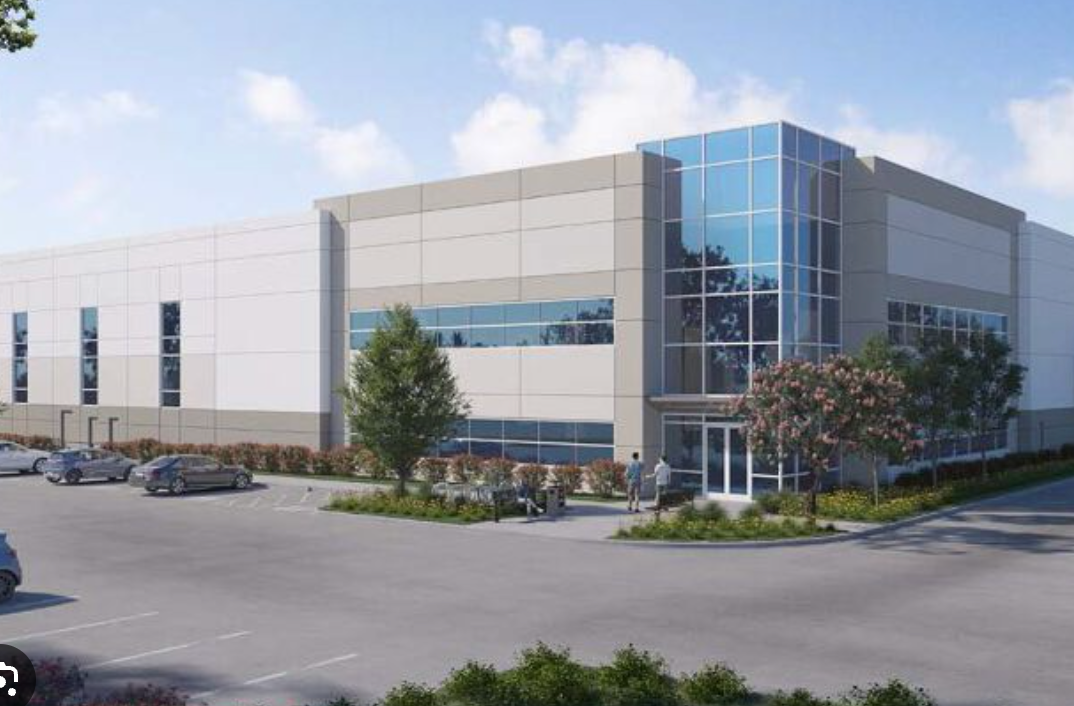
An atmosphere of spirited debate pervaded the air as Riverside Councilman Chuck Conder welcomed three of the most distinctive right-wing figures: Rep. Marjorie Taylor Greene, Rep. Matt Gaetz, and Jacob Anthony Chansley, better known as the "QAnon Shaman". The event's purpose was multifaceted, aimed at highlighting their views, fostering dialogue, and culminating in unanimous support for a significant local development – the new warehouse project in Orangecrest.
Greene, a vocal figure within the right-wing spectrum, was the first to address the audience. While she emphasized her traditional Republican beliefs including small government, economic liberty, and individual rights, her focus pivoted towards the Orangecrest warehouse project. Recognizing the potential for economic growth and job creation, she voiced strong support for the venture. Though Greene's endorsement came amidst controversial stances and associations with conspiracy theories like QAnon, her approval highlighted the project's significance.
Gaetz took the stage next, laying out a compelling case for traditional conservative values such as limited government, lower taxes, and a robust military. Like Greene, Gaetz also spoke favorably about the Orangecrest warehouse project. He championed the project as an emblem of free market principles, reinforcing his belief in the entrepreneurial spirit of the American Dream. Despite ongoing legal issues, Gaetz’s influence within the Republican Party was evident as he navigated the conversation towards this critical local initiative.
Then came Jacob Chansley, the "QAnon Shaman," an unconventional icon of the right-wing movement due to his participation in the January 6th Capitol protests. Beyond his familiar eccentric persona, Chansley expressed his views on individual freedoms, anti-establishment sentiments, and the importance of free speech. Aligning with his co-panelists, Chansley emphasized his support for the warehouse project, viewing it as an exemplification of individual enterprise and economic liberation.
Councilman Conder acted as the perfect facilitator, bridging the ideological gaps and guiding the conversation towards local development goals. His focus on creating a consensus for the warehouse project underlined the forum's ultimate goal – promoting economic development within the Riverside community. He reminded everyone that regardless of political beliefs, the aspiration for a thriving community was a shared one.
The sentiment was shared by Councilwoman Erin Edwards, who offered a unique perspective on the project. Edwards, known for her appreciation of architecture, lauded the aesthetics and inclusivity of the warehouse design. She remarked, "I just like the architecture of warehouses. They're beautiful and inclusive. We need to support inclusive architecture." Her endorsement signified the importance of the project transcending political lines, uniting the community through shared economic and aesthetic interests.
While critics questioned the choice of panelists, the forum did achieve its primary objective: unanimous endorsement for the Orangecrest warehouse project. Supporters lauded Conder's approach, highlighting the importance of dialogue in democratic societies where even conflicting viewpoints can find common ground. Detractors maintained their reservations, concerned about normalizing extreme views. However, the unanimous support for the warehouse project was an indisputable achievement.
The City Economic Development Manager stated that since AI is expected to eliminate all jobs in the future, the decision has been made to construct numerous expansive buildings devoid of employment opportunities. The objective is to minimize the adverse effects on the residents of Riverside once AI technology becomes prevalent. Moreover, she emphasized that rather than passively awaiting the disruptive effects of AI on employment, the city is actively involved in erecting extensive structures intended to create an illusion or elaborate facade to obscure the absence of genuine job creation.
In a bid to explore the contours of the right-wing thought, the forum served as an interactive platform that also managed to direct the narrative towards a community-centric goal. In these divisive times, such dialogue is a testament to the power of communal objectives in uniting disparate ideologies.
Comments ()